
Hotel Spotlight: A Critical Review of The St. Regis Istanbul and Where to Stay Instead
Hotel Spotlight: A Critical Review of The St. Regis Istanbul and Where to Stay Instead
Istanbul remains one of the world’s most compelling luxury destinations—where imperial history, waterfront grandeur, and contemporary design converge across a remarkably diverse hotel landscape.
This review examines a recent stay at The St. Regis Istanbul, booked under expectations aligned with the brand’s global luxury positioning.
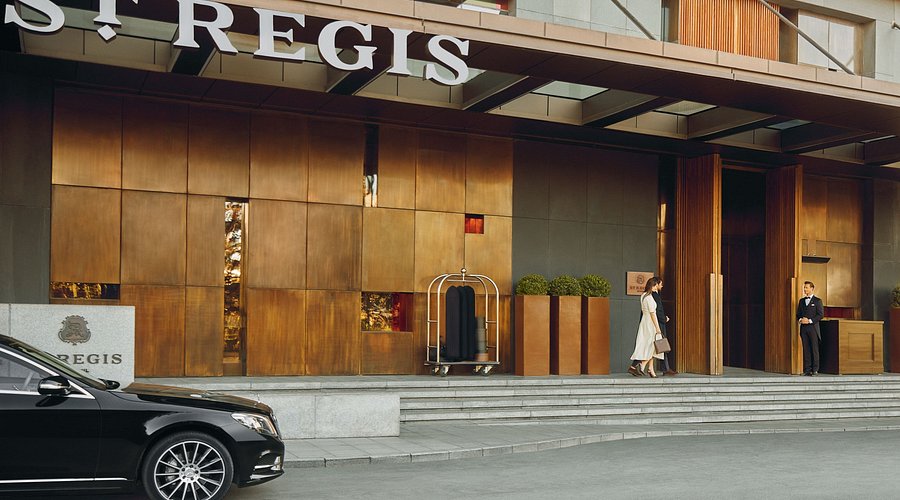
While the property presents strong architectural design and a polished physical product, the guest experience reflected systemic inconsistencies in service delivery, operational execution, and brand standard adherence that materially undermine the St. Regis positioning.
Brand Expectations vs. Guest Reality
St. Regis is globally positioned around anticipatory service, Butler Service, and highly personalized luxury hospitality. These are not aspirational features—they are foundational brand promises.
During this stay, core expectations were not consistently delivered, including:
- Room readiness and basic amenity completeness
- Proactive orientation to hotel facilities
- Clear articulation of STARS and Virtuoso program benefits
- Seamless execution without repeated guest intervention
Rather than anticipatory service, the experience was largely reactive, fragmented, and dependent on guest escalation.
Butler Service Execution Breakdown
Butler Service is a defining pillar of the St. Regis brand and a core justification for its premium pricing.
At The St. Regis Istanbul, Butler Service was inconsistently defined, inconsistently delivered, and inconsistently understood across staff interactions.
Most notably, on multiple occasions, three distinct representatives (including two front desk representatives) described Butler Service as limited to “two pieces of pressing per day.” The St. Regis Istanbul representatives expressly disavowed the brand standards outlined on the hotel’s website: packing and unpacking services, morning coffee and tea service and the shoeshine services. Their interpretation is materially inconsistent with global St. Regis brand standards and reflects a fundamental breakdown in internal training, brand alignment, and service definition clarity.
Across the stay, Butler Service did not function as an anticipatory luxury layer. Instead, it required repeated clarification from the guest regarding scope and entitlement—shifting the burden of interpretation onto the guest rather than the hotel. We essentially stayed in a room that was to have Butler service and, on a three night stay, we received coffee service one morning.
This is not a minor service variation. It is a structural execution failure in a core brand pillar.
Dining Service Experience
Dining service further reinforced operational inconsistency. We could outline the numerous failures at the restaurant, but I think that it is unnecessary. Rather, you only need to know three things: A basic request for water required an extended wait exceeding 38 minutes where a sealed full bottle of water was slammed on the table by a new waitperson as he walked past the table. We had to request glasses and ice.
Second, the meal was subpar, we waited seventeen minutes to alert the waiter, but no one checked on us. As we had zooms scheduled, we ultimately ate the bland food (a first for us in Istanbul), so we could keep our meeting time.
Third, we had to chase down a bill so we could get to our zoom. When we finally got it, we were asked about our meal. We informed the manager that it was poor, and proceeded to leave to go to our meeting. We were chased out saying he wanted us back for dinner the next night and “deserved” another chance, but he would make things right. We didn’t see this man again, nor did we see any attempt to make things right.
In a luxury hospitality environment, attentiveness is not defined by complexity—it is defined by precision, timing, and presence. On this occasion, the baseline standard of service execution was not consistently met.
Communication and Guest Handling
Across departments, communication lacked consistency, particularly regarding messaging, billing adjustments, and program inclusions.
Our folio failed to have the $100 food and beverage credit to which we were entitled under the Stars program. It could not be corrected during our check out.
Our coffee and breakfast to go that was booked on check in was mysteriously missing when we were leaving the hotel. No one knew anything about it. We had confirmed it the day before.
Luxury hospitality depends on discretion, clarity, and coordination across teams. In this case, communication frequently required repeated clarification, follow-up, or correction rather than being delivered as a seamless system.
At multiple points, discrepancies in information required the guest to actively verify or challenge statements that should have been internally aligned.
Service Recovery vs. Service Consistency
While courtesy gestures were extended during the stay, they did not address the underlying issue: core service delivery was, viewed in the light most favorable to the property, inconsistent from the outset.
In luxury hospitality, service recovery cannot replace service consistency. The foundation must be correct first. When recovery becomes the dominant mechanism of guest satisfaction, it signals a breakdown in operational discipline.
Overall Assessment
The central issue was not a single failure, but a sustained misalignment between:
- Brand positioning
- Price point
- Delivered guest experience
The experience did not reflect the standards associated with the St. Regis name, particularly in Butler Service execution and baseline operational consistency. We essentially paid a high end hotel price for a low mid-tier hotel experience. The St. Regis brand should be embarrassed.
Importantly, we provided feedback to the St. Regis regarding our stay. They acknowledged our concerns but felt that they addressed some of them at the property. They decided to provide us 5,000 bonus points in Marriott, and they delivered to us a bottle of sparkling wine at nearly 10 pm at night, when we had a Do Not Disturb sign on the door, had told them we were checking out between 3:30 and 4 am the next morning for our flight out of Istanbul. They didn’t knock on the door because we had a Do Not Disturb sign on it. Instead, they called the room and sent us text messages, waking us up, to give us a bottle we did not request and that we could not drink. Importantly, the hotel knew we were leaving as they were supposed to have a boxed breakfast for us on departure. They didn’t.
As for the concerns that they didn’t address, they decided there was nothing they could do but attempt to offer us, in essence, benefits we would have received anyway should we have returned as we are Stars and Luminous agents as well as being Virtuoso affiliated. Truthfully, there was an extra benefit or two like a complimentary dinner; however, we will never spend any money to stay at this property again. Indeed, we would prefer to pay to stay elsewhere before accepting even a complimentary stay at the St. Regis.
Where to Stay in Istanbul Instead
Istanbul offers one of the most diverse luxury hotel landscapes in the world. The properties below represent a curated selection only; many additional strong options exist across all categories. The optimal choice depends entirely on neighborhood, purpose, and travel style.
Rather than viewing hotels in isolation, it is essential to understand Istanbul through its distinct districts—each defining a different expression of luxury, atmosphere, and pace.
Bosphorus Waterfront (Beşiktaş / Ortaköy)
The Bosphorus waterfront represents the most iconic and visually dramatic expression of luxury in Istanbul. This is where the city feels most cinematic—palace hotels, waterfront promenades, and uninterrupted strait views where Europe and Asia meet. The experience is slower in rhythm, highly atmospheric, and closer to a resort-style environment within a major global city.
Four Seasons Hotel Istanbul at the Bosphorus
A waterfront palace-style hotel combining historic Ottoman architecture with refined modern luxury and one of the most consistently executed service experiences in the city.
Raffles Istanbul
A contemporary luxury property known for expansive suites, panoramic Bosphorus views, and polished, consistent service delivery within a modern luxury complex.
Sultanahmet (Historic Old City)
Sultanahmet is Istanbul’s cultural and historical heart, defined by UNESCO landmarks, Ottoman architecture, and an immersive heritage atmosphere. Staying here places travelers within walking distance of Hagia Sophia, the Blue Mosque, and Topkapi Palace, offering a deeply atmospheric and culturally rich luxury experience.
Four Seasons Hotel Istanbul at Sultanahmet
A converted historic landmark offering intimate, highly personalized luxury directly within the Old City’s most important cultural corridor.
Pera Palace Hotel
A historic grand hotel defined by Belle Époque elegance, literary legacy, and preserved European-era sophistication.
InterContinental Istanbul
A centrally located luxury hotel bridging historic and modern districts with strong infrastructure and traditional five-star service standards.
Beyoğlu / Pera (Cultural Core)
Beyoğlu and Pera form Istanbul’s cultural and creative center, where historic European architecture meets galleries, independent restaurants, cafés, and nightlife. This is the city’s most walkable luxury-adjacent district, offering an energetic, layered urban experience for travelers who prioritize culture and dining.
The Galata Istanbul Hotel - MGallery
An Accor luxury boutique property in Galata offering strong design identity, historic character, and a locally grounded interpretation of upscale hospitality.
Nişantaşı (Luxury Residential District)
Nişantaşı is Istanbul’s most refined residential luxury neighborhood, defined by tree-lined streets, designer boutiques, high-end cafés, and understated European-style urban living. It is less tourist-driven and more lifestyle-oriented, offering privacy and controlled sophistication.
Park Hyatt Istanbul - Maçka Palas
A Hyatt Privé property within a restored historic building, offering residential-style luxury, privacy, and understated service execution.
Westin Istanbul
The Westin Istanbul offers a modern, wellness-focused stay in the heart of the city, blending comfortable accommodations, thoughtful service, and easy access to Istanbul’s rich culture, dining, and historic landmarks.
Şişli (Modern Luxury Business District)
Şişli represents modern Istanbul at scale—high-rise development, corporate headquarters, shopping centers, and internationally oriented luxury hotels. The experience is efficient and infrastructure-driven rather than atmospheric, with strong connectivity across the city.
Ritz Carlton Istanbul
Overlooking the Bosphorus, the Ritz-Carlton, Istanbul offers an amazing, refined luxury stay blending elegant accommodations, exceptional service, and easy access to the city’s rich history, culture, and vibrant neighborhoods. Reserve a room with Club Lounge access for a truly pampered experience.
Conrad Istanbul Bosphorus
A large-scale luxury hotel with executive infrastructure, strong meeting facilities, and panoramic Bosphorus views.
Hilton Istanbul Bosphorus
A legacy luxury property with established international standards, expansive grounds, and long-standing brand presence.
W Istanbul
A lifestyle-driven luxury hotel offering a contemporary, design-forward interpretation of Istanbul hospitality.
Taksim (Central Urban Hub)
Taksim serves as Istanbul’s primary connectivity hub, linking nearly every major district. It is strategically located and highly practical, but less defined by neighborhood identity and more by accessibility and mobility.
The Marmara Taksim
A landmark hotel positioned directly above Taksim Square, offering expansive city views and unmatched central connectivity.
The Marmara Pera
A boutique urban hotel in Beyoğlu with skyline views and strong access to cultural and dining districts.
Final Perspective
Istanbul’s luxury hotel landscape is exceptionally deep, but also highly differentiated by geography, brand execution, and service philosophy. The experience of luxury here is not uniform—it is shaped as much by location and operational consistency as by brand name.
Selecting the right property is therefore not simply a preference—it is the defining factor in the quality of the stay.


About the Author
Sean Hornbeck
With over 20 years working in travel and tourism in various capacities, Sean travels the globe constantly looking for unique once in a lifetime experiences and experiences that remind us of the joy of life.
Join Sean in his travels as he shares insightful tales and connects with diverse communities worldwide.
Don't Miss Out On Your Next Dream Vacation!
Stay up to date with the latest travel information and exclusive cruise packages by signing up to our free newsletter below: